Navigating the complex landscape of employment law in California can be daunting. But you don't have to do it alone. At the Law Office of Fahim Rahman, we're here to guide you every step of the way.
We concentrate on plaintiff-side employment law, providing dedicated representation to employees in Los Angeles while extending our services to workers throughout California. In a city with a vast range of industries and high workplace expectations, we understand the challenges employees face and fight tirelessly to address injustices. Our experienced team is committed to safeguarding the rights of Los Angeles workers and ensuring that employees statewide have access to justice and strong legal advocacy.

Know Your Rights, Protect Your Future
Your workplace rights matter, especially if you have experienced wrongful termination, discrimination, retaliation, or unpaid wages. We assist employees in understanding their rights, exploring legal options, and taking steps to ensure that justice is pursued and their future is protected.
Proven Expertise in California Employment Law
With extensive knowledge of California employment law, our firm provides effective legal solutions for a variety of labor violations. We have successfully represented clients in cases involving unfair termination, workplace harassment, retaliation, and wage disputes, always aiming to achieve the best possible results for those we serve.
Client-Centered Approach
Our focus is on the individual client, ensuring that every person receives attention, respect, and thorough legal support. At the Law Office of Fahim Rahman, clients can rely on highly personalized and dedicated advocacy that prioritizes their rights and workplace concerns.
Ready to Stand Up For You
Whether you need guidance regarding an employment contract, are confronting a difficult situation at work, or feel that your employer has treated you unjustly, reaching out for experienced advice is essential. We support employees in Los Angeles and across California, providing expert legal counsel to address employer-related concerns and protect your rights in the workplace.
Get in touch today for a consultation at no cost and take the first step toward justice.

Employment Discrimination and Violations
Attorney Fahim Rahman has established a notable record of successfully representing employees against unscrupulous employers in a wide range of employment law disputes. Legal action must be taken within prescribed time limits, and employees should be aware that delaying could affect their ability to secure compensation or other remedies. Timely and effective legal guidance is crucial for protecting employee rights.
Federal employment laws and California labor regulations are in place to ensure employees are protected from discriminatory practices, unpaid wages, and unsafe conditions. These laws provide a structure that promotes fair treatment, equitable compensation, and workplace safety while offering employees a clear path to assert their rights when violations occur.
The Fair Labor Standards Act is a federal law that establishes minimum wage standards and child labor protections, ensuring employees receive fair compensation and are not subject to exploitation. State-level protections provided by the California Department of Industrial Relations are enforced by the Division of Labor Standards Enforcement to further safeguard employees, ensuring compliance and accountability across workplaces.
Employers often discriminate based on race, color, religion, sex, age, or disability, and these actions are explicitly prohibited. Legal protections are robust and allow employees to seek justice when such violations occur. Attorney Fahim Rahman has extensive experience advocating for employees in these circumstances and works diligently to hold employers accountable while securing favorable outcomes for workers.
Employees in Los Angeles who have been wrongfully terminated have legal protections under California law. If you lost your job due to discrimination, retaliation, or harassment by a supervisor or co-worker, you may have the right to seek justice. Establishing a wrongful termination claim in California involves proving a direct violation of the California Fair Employment and Housing Act, which is often a complex process requiring thorough documentation and legal expertise.
Although California is an ‘at-will’ employment state permitting employers to terminate employment at any time with or without explanation, important exceptions protect employees from unlawful dismissals. If you can demonstrate that your employer violated your rights in ending your employment, you may be entitled to compensation and punitive damages to hold the employer accountable.
Challenging wrongful termination in Los Angeles and across California requires careful navigation of state and federal labor laws. Fahim Rahman provides experienced legal guidance to ensure that employees have strong advocacy and the ability to assert their rights effectively when confronting workplace injustice.

The California Fair Employment and Housing Act in conjunction with the California Equal Pay Act establishes clear protections against gender-based discrimination, and employers who fail to follow these laws risk legal claims brought by employees who have been wrongfully dismissed or treated unfairly. These laws prohibit discrimination against anyone based on gender or gender identity, providing employees with the assurance of fair treatment in the workplace.
Such discriminatory practices include paying employees unequally, biased hiring or promotion practices, sexual harassment, and retaliatory actions against individuals who report illegal activity. The laws ensure that workers can perform their jobs in a safe and equitable environment while providing legal avenues to challenge violations when they occur.
The Pregnancy Discrimination Act protects women in the workplace by making it unlawful for employers to discriminate against employees who are pregnant, giving birth, or have related medical conditions. Employers who violate these protections are subject to penalties and legal enforcement, emphasizing the necessity for companies to maintain compliance with gender equality standards and uphold the rights of their employees.

No employee should be placed at a disadvantage because of a physical or mental impairment. Both the Americans with Disabilities Act and the California Fair Employment and Housing Act strictly prohibit employers from engaging in discriminatory conduct toward employees with disabilities. California law provides a broad and inclusive framework, treating many forms of unfair treatment as serious violations of an employee’s rights and offering avenues to pursue remedies when discrimination occurs.
Discriminatory practices may manifest as hiring a less qualified individual over a disabled candidate, paying lower wages, reducing job responsibilities, or denying promotion or pay increases on account of a disability. These unlawful actions can severely impact an employee’s career growth and workplace experience, making it essential for employees to understand their rights.
If you or someone you know has experienced disability discrimination, legal avenues exist to seek justice and appropriate compensation. Employers may have acted either unknowingly or intentionally, but in either case, employees can assert their rights and pursue remedies to correct violations, holding employers accountable.
California law also requires employers to engage in a good faith interactive process to provide reasonable accommodations for employees with disabilities. Failure to participate in this process or to provide appropriate accommodations can result in violations of the law, emphasizing the necessity of compliance and support for disabled employees in the workplace.
The California Family Rights Act guarantees that eligible employees are able to take leave to care for a newborn or newly added family member while retaining job protection. Employees who meet the criteria set forth by the law are entitled to up to twelve weeks of unpaid leave during a twelve-month period. During this leave, employers are prohibited from terminating an employee’s position or interfering with their health insurance coverage, ensuring that employees can dedicate time to family obligations without jeopardizing their employment.
Employers are also prohibited from taking discriminatory or retaliatory actions against employees who exercise their rights under the CFRA. This protection ensures that employees can use their leave without fear of negative consequences, maintaining both job security and peace of mind while caring for a new child.

Whistleblower laws in California provide comprehensive protections for employees who report illegal, unethical, or unsafe practices in their workplace, or who participate in investigations concerning such matters. The laws are explicitly designed to prevent retaliatory measures from employers or coworkers who may feel threatened or implicated by these reports.
These laws encourage employees to disclose critical information regarding illegal or hazardous activities conducted by employers to the appropriate state and federal authorities or regulatory bodies charged with enforcing workplace laws. Protecting whistleblowers ensures accountability, promotes transparency, and helps maintain ethical standards in professional environments.
Employees who satisfy the qualifying criteria for whistleblower protection are shielded from discrimination and retaliation under California law. This includes individuals who report, disclose, or refuse to participate in employer actions that are illegal, unsafe, unethical, or in violation of accepted workplace safety standards, including federal and state regulations such as the Occupational Safety and Health Act. Legal enforcement of these protections is crucial to ensure that employees can act in good faith without fear of adverse employment consequences.

California’s Fair Employment and Housing Act mandates that qualifying employers comply with the law by engaging with employees who have physical or mental disabilities and request reasonable accommodations. The law requires an interactive dialogue between employer and employee to explore all available options and determine solutions that enable the employee to fulfill the essential responsibilities of their job.
Through this collaborative process, employees can request accommodations that are tailored to their specific needs, helping them meet the duties for which they were originally hired. Failing to participate in this interactive process may result in considerable disadvantage for the employee and potential legal consequences for the employer, including fines and penalties for noncompliance with state regulations.
The interactive process is designed to serve both employees and employers. Accommodations must be reasonable and should not create undue financial hardship or disrupt normal business operations. This approach allows employees to perform their job effectively while maintaining workplace efficiency and compliance with California law.
The incorrect classification of employees as independent contractors instead of employees is referred to as misclassification. This practice puts employees at risk of losing access to essential benefits and legal protections that they are entitled to under state and federal laws, such as the Fair Labor Standards Act, the Family and Medical Leave Act, and the California Family Rights Act. Misclassification undermines the rights of workers and creates significant challenges in securing workplace protections.
Employers may decide to misclassify employees as independent contractors to avoid obligations under labor law and the financial responsibility associated with providing benefits. Workers misclassified in this way may lose access to protections such as unemployment insurance, workers’ compensation, safeguards against discrimination or harassment, and fair wage and hour rights. Misclassification can therefore negatively impact employees’ financial security and workplace protections.
Because independent contractors are typically not eligible for these legal protections, some employers deliberately misclassify employees to reduce costs and avoid compliance with labor laws. This practice places employees in a vulnerable position and limits their ability to access the benefits and protections that are rightfully guaranteed under both state and federal employment regulations.

Laws protecting employees from gender and disability discrimination also cover racial discrimination, which is prohibited in all professional settings. Individuals who are denied employment, fired from a job, or passed over for promotions, pay increases, or benefits due to their race, ethnicity, national origin, or skin color may be victims of unlawful racial discrimination and are entitled to pursue legal remedies. Such protections are essential for maintaining equitable treatment in the workplace.
Racial discrimination can also manifest through the creation of a hostile or toxic work environment, where employers allow employees or applicants to experience racially offensive slurs, derogatory nicknames, offensive remarks, or the display of racially insensitive symbols. This conduct disrupts a safe and respectful work environment.
Hostile work environments caused by racial discrimination can include repeated racial slurs, offensive names, racist jokes, the use of offensive symbols, or other behaviors that show racial insensitivity. These actions create an unsafe and unwelcoming workplace and are considered violations of federal and state employment protections.
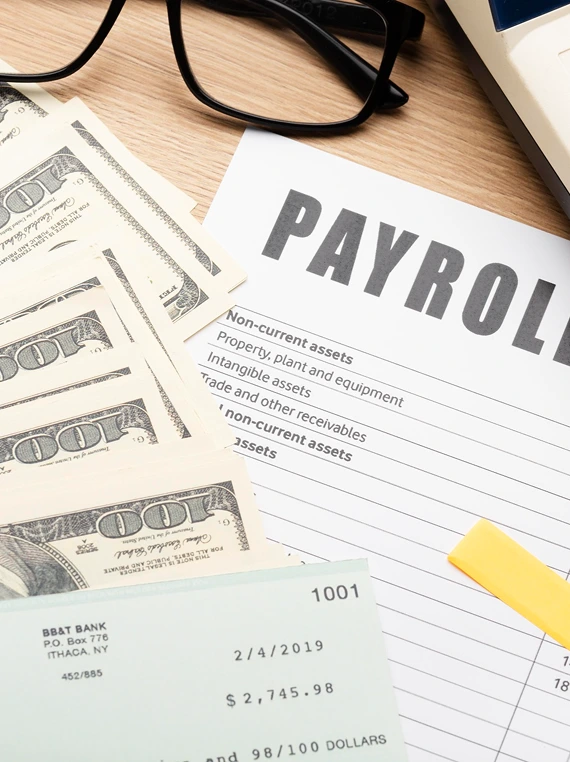
California wage and hour laws are designed to protect employees by guaranteeing fair wages, appropriate overtime pay, and required meal and rest breaks. Employers who fail to adhere to these requirements may be subject to significant penalties, ensuring that employee rights are upheld and workplace standards are maintained.
Employees are entitled to uninterrupted meal breaks after working a set number of hours, during which they must be free from all job duties and responsibilities. Rest breaks are also mandated, though they are shorter than meal periods, and employers may not interfere with these breaks. Denying employees their breaks or pressuring them to skip such breaks is a clear violation of labor law.
In addition, employees’ wages and overall compensation are protected. The statewide minimum wage in California is sixteen dollars and fifty cents per hour as of January first, 2025. Overtime pay is also protected, and eligible employees must receive additional compensation for hours worked beyond the regular schedule. Employers who fail to comply with these regulations may face fines of up to four thousand dollars per violation.
The Family and Medical Leave Act provides employees with crucial protections for taking necessary time off from work due to personal or family circumstances. Employees may need leave to manage their own serious health conditions, care for family members with major medical issues, prepare for the birth of a child, or care for a child who has recently been adopted or placed in their care as a foster guardian. These protections help employees maintain job security while attending to essential responsibilities.
Passed into law in 1993, the FMLA allows qualifying employees to take up to twelve weeks of unpaid leave during a twelve-month period. Employers are required by law to approve these leave requests and are prohibited from terminating, discriminating against, or retaliating toward employees who exercise their rights under this statute. The law ensures employees can address significant life events without risking their employment.
Failure to comply with the Family and Medical Leave Act exposes employers to fines, penalties, and potential punitive damages. Employees who believe their FMLA rights have been violated should engage the services of an experienced attorney like Fahim Rahman, who can provide expert legal guidance and fight to protect employee rights and secure proper remedies.


Age is a protected characteristic under employment law, and workers who are forty years of age or older are safeguarded against discrimination in the workplace through both the Age Discrimination in Employment Act and the California Fair Employment and Housing Act. These laws are designed to prevent unfair treatment, ensuring that employees are evaluated based on qualifications and performance rather than age.
The Equal Employment Opportunity Commission enforces federal protections against age discrimination and investigates claims where employers may have denied employment to applicants based solely on age. These investigations help ensure accountability and fairness in hiring and employment practices.
Discriminatory or harassing actions by an employer based on age are violations of the law. Employees may experience lower wages, missed promotions, denied raises, termination, or a hostile work environment due to age-related comments, jokes, or insults. Employees who face such conditions may have strong legal grounds to pursue a claim for age discrimination.
For employees prepared to assert their rights against age discrimination, it is critical to work with an attorney who has expertise in this area of law. Fahim Rahman is a highly experienced attorney in age discrimination cases and is committed to protecting employees’ rights and pursuing the justice and compensation they deserve.
The Law Office of Fahim Rahman
Defending California Workers. Empowering You.
In Los Angeles, employment law cases are often complicated and present many challenges for employees seeking justice. Proving your case without legal guidance can be daunting, which is why having a highly-skilled and experienced employment lawyer in your corner is essential. Such a lawyer brings both the expertise and the resources required to succeed in court. The Law Office of Fahim Rahman has dedicated years to defending the rights of Los Angeles employees and employees throughout California, making certain that employers are held accountable when they violate the law.