Navigating the complex landscape of employment law in California can be daunting. But you don't have to do it alone. At the Law Office of Fahim Rahman, we're here to guide you every step of the way.
Our firm proudly serves employees in San Francisco while also representing workers across California in plaintiff-side employment law matters. We recognize the diverse and dynamic workplaces of San Francisco and are committed to protecting the rights of local employees who encounter discrimination, harassment, or other unfair practices. With extensive experience and steadfast dedication, we provide robust legal support to ensure that every San Francisco employee and those across the state have their workplace rights upheld.

Know Your Rights, Protect Your Future
Facing wrongful termination, workplace harassment, retaliation, or wage disputes can be stressful, but your rights are important and protected by law. We help employees understand their options, guide them through the legal process, and assist in taking the steps needed to hold employers accountable.
Proven Expertise in California Employment Law
Our team has extensive experience with California employment law and handles a wide range of labor-related disputes. Whether a case involves termination disputes, harassment, retaliation, or wage claims, we provide skilled legal representation aimed at securing the most favorable results possible for our clients.
Client-Centered Approach
We pride ourselves on treating every client as an individual deserving of respect and personalized attention. At the Law Office of Fahim Rahman, you will receive dedicated legal support designed to address your concerns and protect your rights throughout the entire process.
Ready to Stand Up For You
Whether you are seeking counsel on an employment agreement, dealing with a challenging work environment, or believe your employer has violated your rights, it is crucial to obtain expert assistance. Our firm provides strategic advice to employees in San Francisco and throughout California, ensuring that employer-related disputes are handled effectively and that your professional protections are upheld.
Schedule your free consultation today and start moving toward justice.

Employment Discrimination and Violations
The areas of employment law represented by attorney Fahim Rahman include cases where employees have been wronged and unscrupulous employers must be held accountable. Employees should understand that time limits exist for filing claims to recover wages, compensation, or damages, making it essential to seek legal counsel promptly to protect their rights and pursue justice.
Federal labor laws and California state statutes are designed to provide comprehensive protections for employees, including safeguarding against discrimination, ensuring proper wage payment, and maintaining safe working conditions. These laws establish standards that promote fairness, workplace equity, and safety, allowing employees to assert their rights and address violations confidently.
For instance, the Fair Labor Standards Act ensures that employees receive a federal minimum wage and provides safeguards for child labor. Complementary protections are offered by the California Department of Industrial Relations, which are enforced at the state level through the Division of Labor Standards Enforcement. This combination of federal and state oversight helps employees assert their rights and maintain equitable treatment in the workplace.
Discrimination continues to occur based on race, color, religion, sex, age, and disability, and the law has strong provisions to prevent such actions. Attorney Fahim Rahman has extensive experience representing employees who face discriminatory practices, helping them navigate complex legal processes and hold their employers accountable for violations of their rights.
Workers in San Francisco who have been wrongfully terminated have protections under California law. If you were dismissed due to discrimination, retaliation, or harassment from a supervisor or colleague, you may have the legal right to pursue a claim. Successfully proving a wrongful termination lawsuit in California requires demonstrating a clear violation of the California Fair Employment and Housing Act, which can be a challenging and detailed process.
California’s status as an ‘at-will’ employment state means employers can end employment at any time with or without reason. Nevertheless, exceptions exist to protect employees from unlawful termination. If it can be shown that your rights were violated, you may receive compensation and punitive damages may be imposed to hold your employer accountable for wrongful actions.
Proving wrongful termination in San Francisco and throughout California is often complicated, requiring skilled guidance. Fahim Rahman offers expert legal representation for employees, ensuring that those who have been unfairly dismissed have a knowledgeable advocate to navigate both state and federal labor laws effectively.

Both the California Fair Employment and Housing Act and the California Equal Pay Act require employers to comply with legal standards designed to protect employees from gender discrimination, and failing to do so may result in legal action from workers who are treated unfairly. These laws make it explicitly illegal for employers to discriminate against individuals on the basis of gender or gender identity, ensuring that the workplace is equitable and inclusive.
Examples of discriminatory conduct include unequal compensation for comparable work, biases in hiring or promotions, sexual harassment, and retaliation for reporting violations. These laws are intended to safeguard employees’ rights and provide mechanisms for workers to pursue justice when they encounter unlawful behavior from their employers.
The Pregnancy Discrimination Act prohibits discrimination against female employees on the basis of pregnancy, childbirth, or associated medical conditions. Employers who do not comply with these provisions may face serious legal consequences, including monetary penalties and mandatory corrective actions, highlighting the critical need for organizations to uphold gender equality and protect employee rights consistently.

Employees should never face disadvantages due to physical or mental impairments in their workplace. The Americans with Disabilities Act alongside the California Fair Employment and Housing Act protects workers by prohibiting employers from engaging in discriminatory practices. California’s broad approach to defining discrimination ensures that employees have robust protections when subjected to unfair treatment, making it clear that violations are taken seriously and can result in legal consequences.
Examples of discriminatory practices include hiring someone less qualified, paying lower wages, reducing tasks or responsibilities, or denying promotions and raises because of an employee’s disability. These unlawful actions can negatively affect an employee’s career trajectory and financial security while undermining fair workplace practices. Awareness of these protections is essential to prevent discrimination.
If you or someone you know believes that disability discrimination has occurred, there are avenues available to pursue justice and obtain compensation. Whether the employer acted knowingly or inadvertently, legal channels exist to challenge unlawful conduct and ensure that employees receive fair treatment and accountability from their employer.
In the state of California, employers are required by law to support employees with disabilities and to provide reasonable accommodations through a good faith interactive process. Failure to comply with this obligation can place employers at risk of legal liability and underscores the importance of fostering a compliant and supportive work environment for employees with disabilities.
Eligible employees under the California Family Rights Act are entitled to job-protected leave when they add a new child to their family, whether through childbirth, adoption, or foster care. The law allows qualifying employees to take up to twelve weeks of unpaid leave within a twelve-month period while preserving their employment and health plan benefits. Employers are legally required to maintain the employee’s position during this time, ensuring continuity and security while the employee focuses on family responsibilities.
Additionally, the CFRA makes it unlawful for employers to engage in any form of retaliation or discrimination against employees who exercise their rights to leave. Employees who take advantage of this law are fully protected from adverse employment actions, providing reassurance that they can care for their new child without jeopardizing their career or benefits.

California whistleblower protections are designed to provide clear and strong legal safeguards for employees who report illegal or unethical practices or take part in investigations related to such matters in the workplace. These laws prevent employers and coworkers from retaliating against employees who take steps to expose wrongdoing, regardless of whether the accused parties are directly involved in the investigation.
The laws exist to encourage employees to disclose key information about unlawful or hazardous practices to the appropriate government agencies at both the state and federal levels, as well as to regulatory authorities responsible for upholding workplace laws and safety standards. By empowering employees to speak out, these regulations help uphold ethical business practices.
Employees who meet the criteria for whistleblower protections under California law are shielded from retaliation or discrimination. This includes those who report, disclose, or refuse to participate in unsafe, illegal, or unethical workplace activities, including violations of the Occupational Safety and Health Act and other relevant state or federal regulations. Employers who disregard these legal requirements may face substantial penalties for any adverse actions taken against whistleblowers.

The Fair Employment and Housing Act requires that employers in California who meet the qualifying criteria actively engage with employees diagnosed with a physical or mental disability whenever a request for reasonable accommodations is made. The law requires that both employer and employee participate in a constructive discussion to identify accommodations that allow the employee to perform the essential functions of their position.
During this interactive process, employees may make reasonable requests for accommodations that are customized to their specific needs and responsibilities. Employers who fail to take part in this process risk placing the employee at a significant disadvantage in the workplace and may face legal penalties, including fines or other sanctions, for noncompliance with state law.
The interactive process is intended to benefit both parties, provided that the accommodations do not impose an undue financial burden or interfere with routine business operations. By engaging in this process, employers ensure that employees with disabilities can fulfill their responsibilities while maintaining overall productivity and workplace fairness.
Employees who are mistakenly or intentionally classified as independent contractors instead of recognized as employees are subject to a legal violation known as misclassification. This improper categorization can result in employees being denied access to benefits and protections guaranteed under both federal and California law, including those provided by the Fair Labor Standards Act, the Family and Medical Leave Act, and the California Family Rights Act, among others. Misclassification can leave employees vulnerable to financial loss and limited recourse for workplace injustices.
Employers may intentionally misclassify employees in order to avoid providing legally mandated benefits and complying with labor protections that ensure workplace fairness. These protections encompass workers’ compensation, unemployment insurance, anti-discrimination and anti-retaliation protections, and wage and hour laws. Misclassifying employees allows employers to reduce costs and bypass regulatory obligations while compromising employee rights and benefits.
Independent contractors generally do not receive the same protections afforded to employees under state and federal law. As a result, misclassification can be used by employers as a strategy to avoid legal responsibilities, which places employees at a disadvantage and deprives them of rights and benefits they are lawfully entitled to receive.

In addition to protections against gender and disability discrimination, employees are legally safeguarded from racial discrimination in the workplace. Individuals who are denied employment, terminated, or overlooked for raises, promotions, or other benefits because of race, ethnicity, national origin, or skin color may be experiencing illegal racial discrimination and have legal avenues to challenge these actions.
Racial discrimination also arises when employers permit the work environment to become hostile or toxic. Employees or applicants may face racial slurs, derogatory nicknames, offensive statements, or visual symbols intended to demean based on race. Such conditions interfere with the ability to work in a safe and respectful setting.
Hostile work environments may involve consistent exposure to racial insults, offensive names, racist jokes, derogatory symbols, or other actions that target employees or applicants based on race. These behaviors not only disrupt workplace cohesion but also violate both state and federal legal protections designed to maintain fairness and equality.
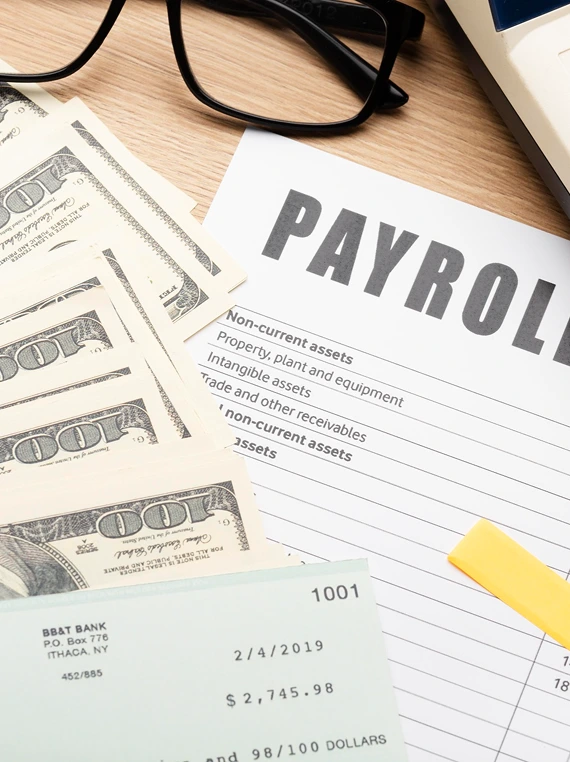
Employees in California are entitled to a range of protections under wage and hour laws, including fair wages, proper overtime compensation, and legally mandated meal and rest breaks. These provisions are in place to ensure employees receive the compensation and protections to which they are entitled, and employers who fail to comply may face substantial penalties and legal action.
The law guarantees uninterrupted meal breaks after a specified number of working hours, during which employees must be completely relieved of any work responsibilities. Rest breaks are also provided, though they are generally shorter in duration than meal breaks. If an employer prevents employees from taking these breaks or encourages them to skip them, it constitutes a violation of state wage and hour regulations.
Compensation and wages are similarly protected under California law. As of January first, 2025, the statewide minimum wage is sixteen dollars and fifty cents per hour. Employees who work overtime are entitled to additional pay, and employers must ensure that this compensation is provided in a timely manner. Violations of wage and hour laws can result in maximum penalties of up to four thousand dollars per infraction, emphasizing the importance of compliance.
The Family and Medical Leave Act was established to ensure that employees have the right to take leave from work for a wide range of important personal and family needs. An employee may require time off to attend to their own serious health condition, care for a family member with a major illness, anticipate the arrival of a newborn, or provide care for an adopted or foster child placed in their care. These protections allow employees to fulfill critical responsibilities without jeopardizing their employment.
Enacted in 1993, the FMLA provides eligible employees with up to twelve weeks of unpaid leave within a twelve-month period. Employers are legally required to grant this leave and must not engage in termination, discrimination, or retaliation against employees who exercise these rights. The law protects employees’ job security while allowing them to attend to pressing personal or family matters.
Employers who violate the provisions of the Family and Medical Leave Act may face fines, penalties, and punitive damages. If you suspect that your employer has failed to uphold your rights under the FMLA, having a skilled attorney such as Fahim Rahman represent you is essential for enforcing your protections and ensuring proper legal remedies are pursued.


Workplace age discrimination occurs when employees over the age of forty are treated unfairly because of their age. The Age Discrimination in Employment Act along with the California Fair Employment and Housing Act provide important protections for older workers, ensuring that age is not used as a basis for unfair treatment in hiring, salary determination, promotion, or termination.
The Equal Employment Opportunity Commission is the federal authority responsible for investigating employers who may have unlawfully discriminated against applicants or employees because they are over forty years old. Their work is essential in holding employers accountable for violations of age discrimination laws.
Harassment or discrimination by an employer that targets an employee’s age constitutes a legal violation. Examples include being paid less than coworkers, being denied promotions or salary increases, being terminated, or being subjected to a hostile work environment through age-related remarks, insults, or jokes. Employees who experience such treatment may have valid claims under state and federal law.
Employees seeking to take action against age discrimination need the support of a skilled and trusted attorney. Fahim Rahman has a proven record of successfully handling age discrimination cases and is prepared to fight on behalf of employees to protect their rights and pursue compensation for any violations they have endured.
The Law Office of Fahim Rahman
Defending California Workers. Empowering You.
Employment law matters in San Francisco can be intricate and difficult to prove, especially when dealing with large organizations or sophisticated workplace structures. Attempting to take on your employer without expert guidance is not recommended. You need a highly-skilled and experienced employment attorney who has the expertise and the resources to fight effectively in a court of law. The Law Office of Fahim Rahman has a long-standing history of defending the rights of San Francisco employees while also representing workers across California, ensuring that employers are held responsible for violating legal protections.