Navigating the complex landscape of employment law in California can be daunting. But you don't have to do it alone. At the Law Office of Fahim Rahman, we're here to guide you every step of the way.
Serving employees in Silicon Valley and across California, we focus on plaintiff-side employment law to defend workers who have faced workplace injustices. We understand the unique demands of this fast-paced technology hub and are committed to providing thorough, experienced, and effective legal representation. Our firm is dedicated to ensuring that Silicon Valley employees, along with workers throughout the state, have access to justice and protection of their employment rights.

Know Your Rights, Protect Your Future
Employees who experience wrongful termination, retaliation, discrimination, or unpaid wages must fully understand their legal rights. We provide thorough guidance to help you explore your options and take the proper action to ensure that your rights are enforced and your future remains secure.
Proven Expertise in California Employment Law
Our firm has deep knowledge of California employment law, which allows us to address a variety of workplace disputes effectively. From cases involving wrongful termination and harassment to retaliation and wage violations, we bring extensive experience and a commitment to achieving strong outcomes for the individuals we represent.
Client-Centered Approach
Every client receives focused attention and personal support. You are more than a number or case; you are a person whose experiences and rights deserve to be protected. The Law Office of Fahim Rahman provides complete legal guidance and advocacy tailored to each client’s unique situation.
Ready to Stand Up For You
If you are navigating an employment contract, encountering challenges in your workplace, or feel that your employer has wronged you, do not hesitate to reach out for professional guidance. We provide comprehensive legal advice to employees in Silicon Valley and across California, helping you manage employer-related issues with confidence while safeguarding your rights in complex employment matters.
Reach out now for a no-obligation consultation and begin your path to justice.

Employment Discrimination and Violations
Attorney Fahim Rahman has developed an extensive record of successfully representing employees in employment law disputes and ensuring that unscrupulous employers face accountability for their actions. It is important to remember that legal claims are subject to strict time limits, and taking action quickly can significantly affect the ability to obtain the compensation and remedies you deserve. With proper legal guidance, employees can navigate these challenges confidently and effectively.
Both federal employment legislation and California state labor laws are structured to protect workers from unfair practices, including discrimination, wage theft, and unsafe working conditions. These laws create a framework for fairness, equity, and safety in the workplace, ensuring employees can perform their duties without fear of retaliation or mistreatment. Understanding and leveraging these laws is vital for anyone seeking to defend their employment rights.
The Fair Labor Standards Act provides federal protections for minimum wage standards and child labor restrictions, ensuring that employees receive fair pay and are not subjected to exploitation. At the state level, the California Department of Industrial Relations provides equivalent protections, which are enforced by the Division of Labor Standards Enforcement to ensure compliance and accountability. Together, these regulations safeguard employees from unlawful workplace practices.
Employers sometimes discriminate against employees on the basis of race, color, religion, sex, age, or disability, and such actions are prohibited by law. These protections are robust, providing employees with the ability to challenge illegal conduct and seek appropriate remedies. Fahim Rahman is committed to advocating for employees in these situations, ensuring their rights are upheld and that employers are held responsible for misconduct.
Employees in Silicon Valley who have been wrongfully terminated have important legal protections under California law. If your dismissal was the result of discrimination, retaliation, or harassment by a supervisor or co-worker in the tech industry, you may have the right to pursue a legal claim. Establishing a wrongful termination case in California requires proving a direct violation of the California Fair Employment and Housing Act, which can be highly intricate.
While California is an ‘at-will’ employment state, allowing employers to terminate employment at any time with or without cause, there are significant exceptions. If you can show that your employer violated your legal rights during your termination, you may be eligible for financial compensation and punitive damages may be awarded to hold the employer accountable.
Navigating wrongful termination claims in Silicon Valley and across California is complex and demands an attorney with substantial experience. Fahim Rahman provides highly skilled representation to ensure that employees have the strongest possible advocacy when challenging unfair dismissals in both state and federal courts.

Both the California Fair Employment and Housing Act and the California Equal Pay Act establish strict requirements to protect employees from gender-based discrimination, and employers must comply with these protections or risk facing legal action from employees who have been unfairly treated. These laws clearly prohibit any discrimination against individuals on the basis of gender or gender identity, ensuring that every employee has the right to a fair and equitable workplace.
Discriminatory practices can take many forms, including unequal pay for similar work, biases in hiring or promotion decisions, sexual harassment, and retaliatory actions against employees who report such violations. These protections are designed to create a workplace where employees can perform their duties without fear of unfair treatment or retribution, and they provide avenues for legal recourse when violations occur.
The Pregnancy Discrimination Act adds an additional layer of protection for female employees by making it illegal for employers to discriminate based on pregnancy, childbirth, or medical conditions related to either. Employers who fail to follow these laws may face significant financial penalties, legal consequences, and reputational damage, highlighting the importance of compliance with gender equality standards in the workplace.

Physical or mental impairments should not result in disadvantages for employees in any work environment. The Americans with Disabilities Act and the California Fair Employment and Housing Act specifically prohibit discriminatory practices by employers against workers with disabilities. California law provides expansive protections, recognizing a wide range of discriminatory behaviors as serious violations of employee rights, ensuring that every worker is treated fairly regardless of their disability.
Common forms of discrimination can include selecting a less qualified candidate over a disabled applicant, providing lower pay, limiting responsibilities, or denying promotions and compensation increases due to a worker’s disability. These actions undermine equal opportunity and are explicitly prohibited under state and federal law. Employees must be aware of these protections to safeguard their professional and financial interests.
Employees who believe they have been subjected to disability discrimination have access to legal remedies that can provide fair justice and compensation. Whether an employer acted intentionally or without knowledge of the law, employees have the right to pursue action and enforce their rights. Skilled legal counsel can help navigate the complex process to ensure fair treatment.
Under California law, employers must engage in a good faith interactive process to provide reasonable accommodations for employees with disabilities. Refusing or neglecting to participate in this process may place the employer in violation of the law, emphasizing the importance of maintaining compliance and supporting employees with disabilities in the workplace.
The California Family Rights Act provides employees who qualify under the law with guaranteed job-protected leave when they give birth or welcome a new child into their family. Employees who meet the eligibility requirements may take up to twelve weeks of unpaid leave within a single year, during which their employer is legally prohibited from terminating their position or interfering with their health benefits. This framework ensures that employees can care for a child while maintaining both their employment status and health coverage.
Furthermore, employers are not allowed to take any retaliatory or discriminatory actions against employees who exercise their rights under the CFRA. The law ensures that employees can use this leave without fear of adverse treatment, safeguarding both their employment and their ability to provide care for their growing family.

Employees in California are granted significant protections under whistleblower laws when they report illegal or unethical conduct in the workplace or assist in investigations of such behavior. These laws are designed to prevent retaliation by employers or coworkers who may feel threatened or implicated by the disclosure of wrongdoing.
The regulations serve to encourage employees to provide critical information regarding illicit actions by their employer to state and federal authorities or other regulatory agencies responsible for enforcing employment and safety laws. By safeguarding whistleblowers, California law promotes accountability and ensures that ethical standards are maintained in the workplace.
Any employee who qualifies as a whistleblower under California law is protected from discrimination or retaliation. This applies to employees who report, reveal, or refuse to participate in an employer’s illegal, unsafe, or unethical conduct, including violations of federal and state laws such as the Occupational Safety and Health Act. Legal protections ensure that employees can act in good faith without fear of losing their employment or facing workplace hostility.

Under the Fair Employment and Housing Act, qualifying employers in California are required to engage with any employee diagnosed with a physical or mental disability who requests reasonable accommodations that allow them to carry out the responsibilities of their position. This interactive process involves collaboration between the employee and employer to consider potential accommodations and identify solutions that are effective and feasible.
Employees may submit reasonable accommodation requests specifically tailored to allow them to perform their job duties. Employers who fail to engage in this process risk creating disadvantages for employees and violating state law, which may result in fines or other punitive measures. Compliance is essential to ensure that employees are supported and workplace equity is maintained.
The interactive process is intended to promote mutual benefit. As long as the accommodations do not impose undue financial or operational burdens on the employer, this process provides a practical framework for supporting employees with disabilities while preserving normal business operations and maintaining productivity.
When employees are wrongly classified as independent contractors instead of employees, this constitutes misclassification, a practice that can deprive workers of important benefits and protections guaranteed under multiple federal and state laws. These protections include rights provided by the Fair Labor Standards Act, the Family and Medical Leave Act, and the California Family Rights Act, among others. Misclassification prevents employees from fully exercising the legal rights intended to safeguard their workplace well-being.
Some employers intentionally classify employees as independent contractors to avoid compliance with labor laws and avoid the associated costs of providing benefits. These benefits include unemployment insurance, workers’ compensation, protection from discrimination or harassment, and adherence to fair wage and hour laws. Misclassification allows employers to evade these obligations while leaving workers without the legal protections and financial security they deserve.
Because independent contractors typically do not qualify for many of these protections, some employers exploit this classification to reduce their financial and administrative responsibilities. This practice not only places employees at risk but also undermines the integrity of labor laws designed to guarantee fairness, equal treatment, and workplace safety for all eligible workers.

Workplace discrimination laws that address gender and disability also extend to racial discrimination, which is prohibited in professional settings. Employees or applicants who are refused employment, fired, or passed over for promotions, compensation increases, or benefits because of race, ethnicity, national origin, or skin color may be the victims of unlawful racial discrimination. Legal protections exist to ensure that such individuals have recourse for any violations.
Racial discrimination is further demonstrated when employers allow a toxic or hostile work environment to develop. Employees or applicants may be subjected to offensive racial slurs, derogatory nicknames, demeaning comments, or racially insensitive symbols. Such conduct undermines the ability of employees to perform their duties safely and effectively.
Another common form of racial discrimination is the creation of a hostile work environment in which repeated racial slurs, offensive nicknames, racist jokes, or symbols and actions that are racially insensitive are directed at employees or applicants. These conditions are unlawful and can have severe legal consequences for employers who fail to prevent or address them.
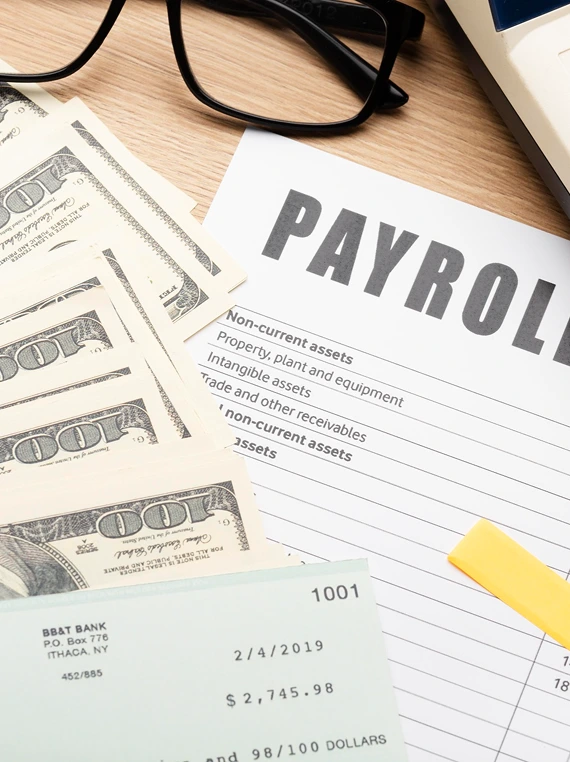
California wage and hour laws provide employees with essential legal protections that safeguard fair pay, overtime compensation, and proper meal and rest breaks. Employers who do not comply with these laws risk significant punitive damages and legal consequences designed to protect workers from unfair treatment.
Employees are entitled to uninterrupted meal breaks after a certain number of hours on the job. During these breaks, they must be fully relieved of all work duties. Rest breaks are also required, though they are shorter than meal periods, and employers must not prevent employees from taking them. An employer who asks an employee to skip a break or fails to provide these legally mandated breaks is violating California labor law.
Wages and compensation are strictly protected. As of January first, 2025, California’s statewide minimum wage stands at sixteen dollars and fifty cents per hour. Eligible employees are also entitled to overtime pay, and employers are required to pay these wages promptly when due. Failure to comply with wage and hour laws can expose employers to penalties of up to four thousand dollars for each violation.
The Family and Medical Leave Act was created to safeguard employees who require leave from work for a variety of critical circumstances. An employee may need to take time off to receive treatment for a serious health condition, care for a family member with a major illness, welcome the birth of a new child, or provide care for a newly adopted child or foster child in the employee’s care. These protections ensure that employees can address personal and family needs without fear of losing their employment.
Passed into law in 1993, the FMLA entitles qualifying employees to up to twelve weeks of unpaid leave per year. Employers are obligated to honor these leave requests and may not terminate, retaliate against, or discriminate against an employee for taking their legally protected time away from work. The law provides essential safeguards for employees during periods of unavoidable absence.
Violations of the Family and Medical Leave Act by employers may result in fines, monetary damages, and other punitive measures. Employees who believe their FMLA rights have been violated should seek legal representation from an experienced attorney like Fahim Rahman to ensure their rights are protected and any remedies owed to them are pursued effectively.


Employees over forty years of age are protected from workplace discrimination through the Age Discrimination in Employment Act and the California Fair Employment and Housing Act. These laws are intended to prevent employers from making decisions about hiring, compensation, promotions, or termination based on age, ensuring that older workers are treated fairly and equitably.
The Equal Employment Opportunity Commission serves as the federal agency responsible for investigating claims of age discrimination. Employers who deny employment to candidates because they are forty or older may face investigation and legal repercussions under federal law.
Age-based harassment or discrimination by an employer is illegal. Employees may experience unfair pay, being passed over for promotions, denied raises, termination, or a hostile work environment caused by age-related comments, jokes, or derogatory statements. Those subjected to such treatment may have strong legal grounds to pursue a claim of age discrimination.
For employees ready to assert their rights against age discrimination, securing the guidance of an experienced attorney is essential. Fahim Rahman is a dedicated attorney with expertise in age discrimination cases, ready to advocate for employees and ensure their rights are enforced while pursuing justice and potential compensation.
The Law Office of Fahim Rahman
Defending California Workers. Empowering You.
Employees in Silicon Valley who face employment disputes encounter particularly complex legal challenges, and proving a case against an employer can be extremely difficult. Attempting to navigate these issues on your own is risky, which is why you require a highly-skilled and experienced employment lawyer with the knowledge and resources to help you succeed in court. The Law Office of Fahim Rahman has extensive experience defending Silicon Valley employees, as well as workers throughout California, holding employers accountable when they infringe upon employee rights.